


Key Takeaways
- Keeping a knocked-out tooth moist in milk or saliva significantly increases the chances of successful re-implantation.
- Over-the-counter pain relief can manage symptoms temporarily, but it is not a substitute for professional diagnosis.
- Verifying your coverage for emergency procedures beforehand can save you from financial stress during a crisis.
Introduction
Dental emergencies rarely happen at a convenient time. Whether it is a sudden toothache in the middle of the night or a broken tooth during a weekend sporting event, knowing how to react in the first sixty minutes can make a massive difference in the final outcome. Your first priority should always be to find an emergency dentist in Singapore who can see you as soon as possible. Many clinics reserve specific slots in their daily schedule for urgent cases, ensuring that you do not have to wait in pain for days.
Handling a Knocked-Out Tooth
If a permanent tooth is knocked out completely, time is of the essence. You should handle the tooth only by the crown (the top part), never by the root. Rinse it gently with water if it is dirty, but do not scrub it or remove any attached tissue fragments. If possible, try to place the tooth back into its socket and hold it there. If that isn’t feasible, place the tooth in a small container of milk or a specialised tooth preservation kit. The goal is to keep the root cells alive until you reach a professional.
If you can get to a clinic within thirty to sixty minutes, there is a high probability that the tooth can be saved. This is a true emergency where every minute counts. Even if the tooth appears clean, the delicate fibres on the root are very sensitive to drying out. Keeping them moist is the single most important thing you can do while you are in transit to the dental office.
Managing Severe Toothaches and Infections
A sudden, throbbing pain is often a sign of an underlying infection or an abscess. This is not something that will go away on its own. While you wait for your appointment, you can rinse your mouth with warm salt water to help draw out some of the bacteria and reduce swelling. You should avoid placing aspirin directly on the gums, as this can cause chemical burns to the soft tissue. Instead, swallow the medication as directed on the packaging.
Swelling of the face or gums is a serious sign that the infection may be spreading. If the swelling is affecting your ability to breathe or swallow, you should go to an Accident and Emergency (A&E) department immediately. Otherwise, contact your dental professional right away. They may need to prescribe antibiotics or perform a root canal treatment to save the tooth and stop the pain. Ignoring an infection can lead to more serious systemic health issues, so prompt action is required.
Navigating the Costs of Urgent Care
One of the biggest worries during a crisis is the potential cost of treatment. Emergency procedures can sometimes be more expensive due to the complexity of the work or the “after-hours” nature of the service. This is where having comprehensive dental insurance in Singapore becomes incredibly valuable. You should review your policy to see if it covers emergency consultations, X-rays, and immediate restorative work. Knowing your coverage details in advance allows you to focus on getting the care you need rather than worrying about the bill.
If you do not have insurance, many clinics offer payment plans or can provide a transparent breakdown of costs before they begin treatment. It is always better to treat an emergency immediately when it is a small problem than to wait until it becomes a massive, more expensive complication. Investing in a quick fix now can save you thousands of dollars in implants or bridges later.
Preparing an Emergency Kit
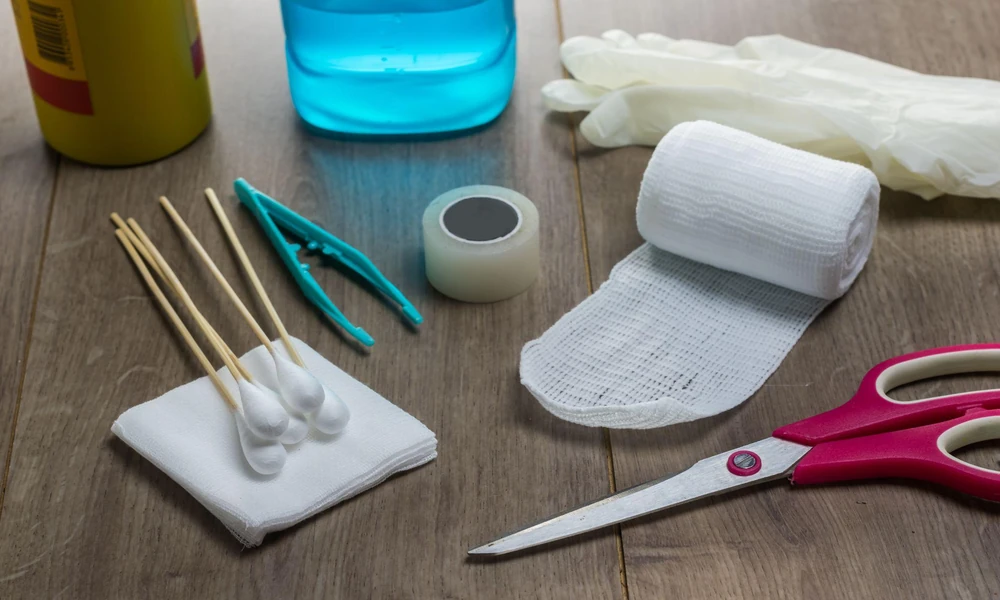
You can be proactive by putting together a small dental emergency kit for your home or car. This should include sterile gauze, a small container with a lid, and the contact details of your preferred clinic. Having these items ready can help you stay calm when an accident happens before or after calling an emergency dentist in Singapore. It is also wise to keep a record of your insurance policy number and the emergency contact line for your provider. Being prepared is the best way to handle the stress of an unexpected medical situation.
Conclusion
While we hope you never need it, knowing how to find an emergency dentist is a vital part of your health plan. Furthermore, maintaining an active dental insurance in Singapore provides the financial peace of mind needed to make quick decisions. By acting fast, keeping calm, and following the correct preservation steps, you can successfully navigate almost any dental crisis and protect your long-term smile.
Contact Happy Teeth Family Dental for urgent care and reliable dental support when you need it most.