


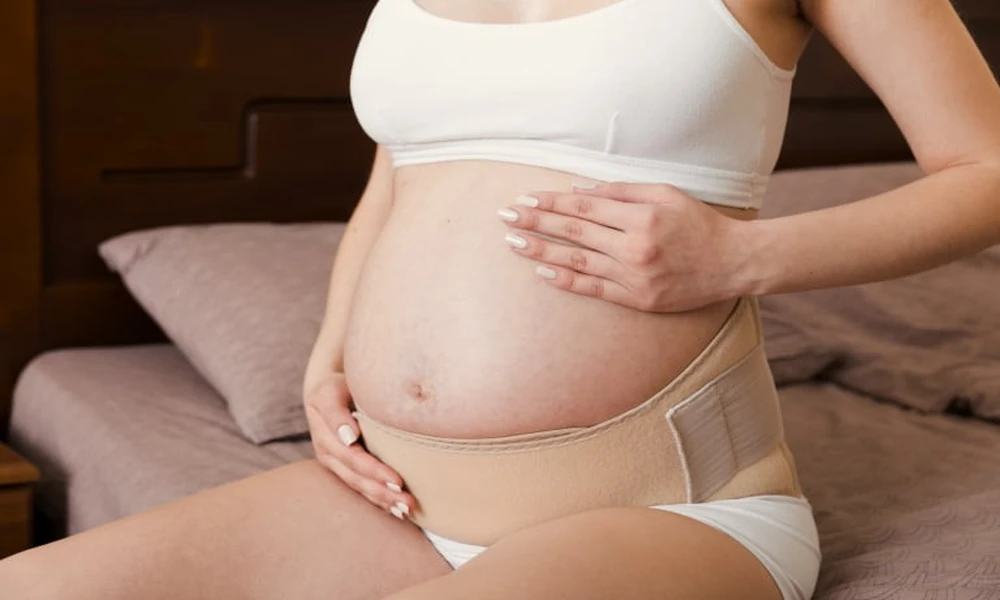
Pregnancy is a journey that brings many happiness, but with many physical changes that can affect your comfort as well as daily routine. Women literally face various challenges in her pregnancy and the use of a pregnancy belt and belly are helpful to aid them.
Both are the very recommended orthopedic support products in pregnancy. These words are often used similarly, but they are not the same. Both provide different, but beneficial outcomes and they can vary depending on stage of the pregnancy and support needed.
So if you are not sure which one is right for you, this guide explains the key differences, benefits as well as when to use each option.
What Is a Pregnancy Belt?
A pregnancy belt is a medical aid, wrapped around the lower part of the stomach and pelvis. Basically, the pregnancy belt aims to provide extra support for the growing belly. Plus it helps take the pressure off of your back and pelvis region.
Most pregnancy belts come with adjustable straps, allowing you to adjust the fit according to the changes your body undergoes during pregnancy. These are particularly very helpful during the second and third trimesters. During this period, the baby’s weight puts increased pressure on the body. This belts can be especially be worn during tasks like:
- Walking
- Standing for long periods
- Light exercise
- Household chores
- Shopping
- Work that involves the movement of your feet
The pregnancy belt is a helpful tool that makes you more comfortable as well as less weary while doing normal movements and jobs, and it may even help ease your muscles.
What Refers to a Belly Band?
A belly band is a material that is stretchable and wrapped around the stomach area. It is not like a pregnancy belt, whereas the purpose of a belly band is not medical support but comfort and clothing support. Many women use a belly band to:
- Hold up unbuttoned pants during early pregnancy.
- It smooths the transition of regular and maternity clothing.
- Offers light compression around the abdomen.
- It adds a layer of coverage beneath shirts.
Belly bands sometimes offer gentle support, but they are actually softer with less structured than pregnancy belts.
Pregnancy Belt vs Belly Band: A Quick Comparison
| Feature | Pregnancy Belt | Belly Band |
|---|---|---|
| Primary Purpose | Supports the belly, lower back, and pelvis | Provides light abdominal support and clothing coverage |
| Support Level | Moderate to high | Light |
| Material | Firm, structured, adjustable | Soft, stretchy fabric |
| Best for | Back pain, pelvic discomfort, heavy belly | Early pregnancy, clothing support, mild comfort |
| Adjustable Fit | Usually adjustable with straps | Typically stretch-fit |
| Suitable Trimester | Second and third trimester | First, second, and early third trimester |
| Exercise Support | Yes | Limited |
| Posture Support | Yes | Minimal |
| Everyday Clothing Support | Limited | Excellent |
Benefits of a Pregnancy Belt
The use of a pregnancy belt can actually make everyday life of a pregnant woman more manageable by offering targeted support.
Following are the main benefits such as:
- Lessen lower back pain.
- Supports the growing belly.
- Improves posture.
- Reduces pelvic pressure.
- Makes walking more comfortable.
- Helps during light exercise.
- Decreases muscle fatigue while standing.
For working women, a pregnancy belt may help make long workdays more comfortable.
What are the Benefits of a Belly Band?
Although it provides less structural support, a belly band has its own advantages.
Some benefits include:
- Extends the use of regular clothing.
- Offers gentle abdominal compression.
- Provides additional coverage beneath shirts.
- Creates a smooth appearance under outfits.
- Lightweight as well as breathable.
- It is comfortable for all day wear.
Which One Should You Choose?
Choose a belt that totally depends on your specific needs.
Women can choose a pregnancy belt if they:
- Experience lower backache.
- Feel pelvic pressure.
- Walk or stand for long hours.
- Needs extra support while exercising.
- Are in the second or third trimester.
Choose a belly band if you:
- Need help fitting into regular clothes.
- Need light abdominal support.
- Prefer soft, flexible fabric.
- Are in early pregnancy.
- Want extra coverage under tops.
Women sometimes use both products at different stages of pregnancy generally because they serve different purposes.
Can a Woman Use Both Together?
This actually happens in many cases where a woman can use both a pregnancy belt and belly band.
A belly band is generally worn for clothing support, especially during the early months. Whereas a maternity belt is introduced later when additional physical support becomes necessary for a pregnant woman.
However, using both belt and band at the same time may not always be comfortable. Choose the best option that can help address your immediate needs.
In case of serious back pain or a high-risk pregnancy, seek your doctor before you use any support garment.
Points for Selecting the Right Support
The following factors should be considered before choosing a support belt:
- Select the size according to your current measurements
- Opt for adjustable design to assist with your growing belly
- The material should be breathable, skin-friendly for everyday comfort
- The belt should feel more supported and secure, not restrictive
- Do not wear a product that feels overly tight or interferes with breathing
The support garments should be comfortable and do not lead to further discomfort.
Final Thoughts
While pregnancy belts and belly bands both may appear similar at first glance. But they are crafted for different purposes. The focus of a pregnancy belt is to provide structured support for the belly, lower back as well as to pelvis; it makes it an excellent choice for women who face physical discomfort during the later stages of pregnancy. On the other hand, a belly band provides gentle compression, clothing support as well as added comfort, particularly during the early months.
The right selection of the belt depends on the symptoms actually, plus the stage of pregnancy. Women actually need to be careful about the support garments are meant to enhance comfort, not replace proper prenatal care. In case of constant pain, discomfort or having concerns related to the pregnancy, consult your doctor for personalized advice.