


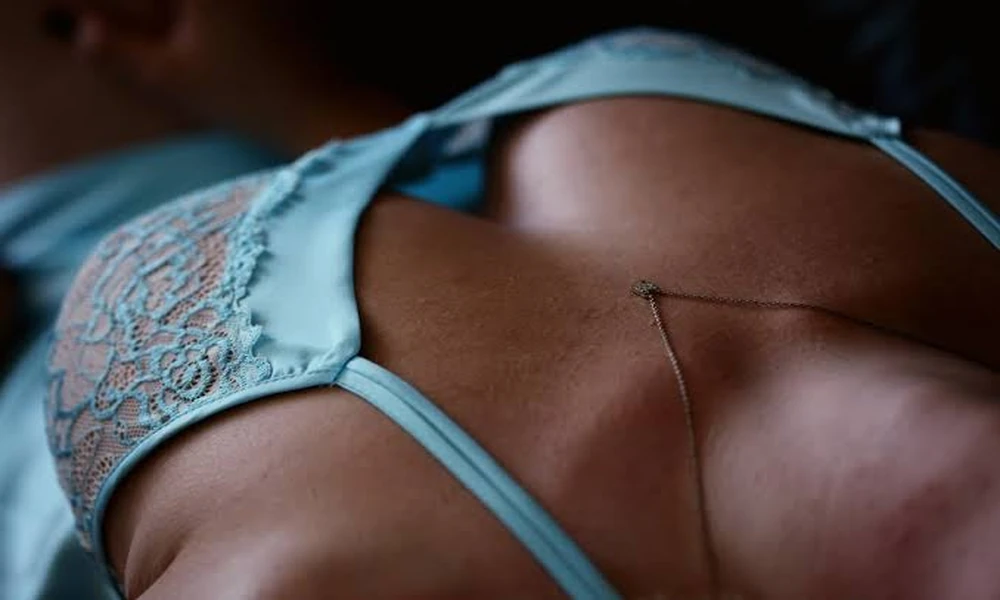
One bra cup sits smoothly; the other gaps. That difference might be so familiar you barely notice it, or it might be what first tells you something has changed. Before looking for a way to even things out, it helps to establish which situation you are dealing with.
Uneven breasts can differ in size, shape or position. What matters is whether the difference is usual for you and whether anything else has changed.
Has the difference always been there?
Breasts need not develop at the same pace or settle into matching shapes. One may sit higher, have a different contour or fill more of a bra cup. If you recognise the difference from years of getting dressed and buying bras, it may simply be part of your usual appearance.
Breast appearance can shift over time, too. Some people notice changes around their menstrual cycle, during pregnancy or breastfeeding, or after a change in weight. Those circumstances offer useful context, but a new change still deserves attention.
Try to pin down what you have noticed. Does one breast seem fuller than it used to, or has a new bra made a familiar difference more obvious? Is the cup fitting differently, or has the breast itself changed? There is no size difference you need to measure before asking for advice.
When should you speak to a GP?
Arrange a GP appointment if one breast develops a noticeable, unexplained change in size or shape. A new lump or thickening, dimpled skin, a nipple that has newly turned inwards, or unusual nipple discharge also needs checking. Seek advice about redness or swelling, especially if you feel unwell.
A GP can ask when the change began, examine the area and decide whether further assessment is needed. Describing what is different from your usual appearance is more helpful than trying to identify a cause from photographs online. If you are breastfeeding and develop a painful red area or feel feverish, seek medical advice promptly.
You can also make an appointment if you are unsure whether a difference is new. You do not need to settle that question on your own before speaking to someone.
Finding a comfortable fit day to day
With a longstanding size difference, a cup may press into one breast while standing away from the other. When trying on a bra, check first that the fuller side is not spilling over or being compressed. A removable insert can fill space on the smaller side, while adjustable straps let you fine-tune the fit.
Check the band as well as the cups. If it rides up, or the straps dig in, tightening the straps further is unlikely to solve the whole problem. A different cup shape or less rigid moulding may suit you better than another size in the same design. Comfort is reason enough to try these adjustments; you need not disguise how your breasts look.
A better-fitting bra might resolve the practical problem without settling how you feel about a longstanding difference. If you live in the North West and are considering an elective change, information about Breast Surgery Manchester can help you prepare questions for a specialist consultation.
If you are considering a lasting change
Think about what you would actually like to change. Is it the way clothes fit, a difference in volume, or the position of one breast? A consultation should give you room to describe that concern without pressure to proceed.
Ask what a proposed approach could realistically achieve, what scars and recovery it would involve, and which risks you would need to weigh. Surgery offers no guarantee of identical breasts. Give yourself time to consider the answers alongside any practical changes you have already tried.
You might prefer a better-fitting bra, pursue a specialist discussion or leave a familiar difference alone. The choice is about your comfort and priorities, not how closely your breasts match.